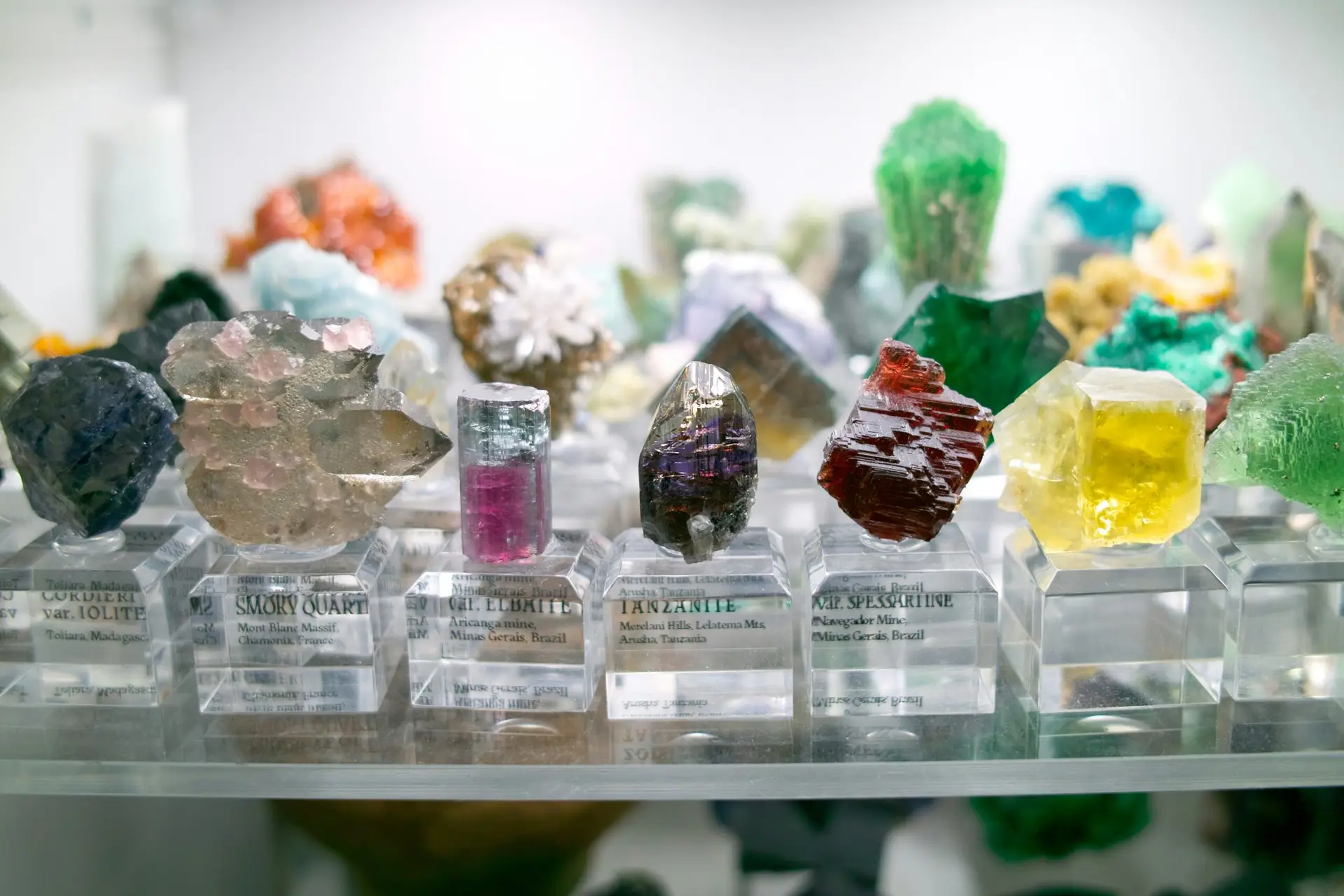
Understanding Granitic Pegmatites
Granitic pegmatites are a specific type of igneous rock characterized by their coarsely crystalline structure, typically comprising large interlocking crystals. These formations primarily consist of quartz, feldspar, and mica, with essential minerals that can include tourmaline, among others. The formation of granitic pegmatites occurs through the crystallization of magma that cools slowly beneath the Earth’s surface. This gradual cooling process allows for the growth of larger crystals, which is why pegmatites stand out in terms of their distinct texture compared to regular granite.
The mineral composition of granitic pegmatites significantly influences their overall geology. Quartz and feldspar serve as the main constituents, with quartz providing strength and durability while feldspar contributes to the pegmatite’s overall diversity. Tourmaline, specifically rubellite tourmaline, often emerges during the final stages of crystallization, where the remaining molten material is rich in volatiles, leading to unique and vibrant colors. The presence of varying trace elements, such as lithium, boro-silicate, and manganese, also dictates the specific attributes and coloration of the gemstones formed within these pegmatites.
The conditions leading to the development of granitic pegmatites are critical in understanding their formation. Typically, these formations occur in regions of high temperature and pressure, often in the vicinity of tectonic activity or continental collisions. As the magma ascends towards the surface, it influences the surrounding rock, melting and altering them in the process. The crystallization of minerals like rubellite tourmaline happens in a unique environment that often facilitates an influx of fluids and gases, allowing for efficient growth of distinctive minerals. Thus, these geological manifestations are not just mere rocks but sources of valuable gemstones, enriching both the scientific understanding and the gem industry.
The Role of Hydrothermal Fluids
The formation of rubellite tourmaline within granitic pegmatites is significantly influenced by hydrothermal fluids. These fluids are primarily composed of heated water, often enriched with various dissolved minerals. As they circulate through the pegmatitic formations, they play an essential role in the transportation of crucial elements that contribute to the development of this captivating gemstone. Among the key elements transported by these hydrothermal solutions are boron, aluminum, and lithium, all of which are fundamental in the crystallization of tourmalines.
The process begins when the hydrothermal fluids infiltrate existing fractures and cavities within the pegmatite. As these fluids move through the rock matrix, they interact with the pre-existing minerals, leading to a series of chemical reactions. This interaction often alters the mineral composition in the surrounding environment, creating a conducive atmosphere for gemstone formation. Notably, the temperature and pressure conditions present during this hydrothermal activity heavily influence the solubility of the elements and, consequently, the types of minerals that can crystallize.
One of the remarkable aspects of hydrothermal fluids is their ability to stabilize the transport of elements like boron, which is a critical component for the formation of tourmaline. As these fluids cool during their ascent through the Earth’s crust, they facilitate the gradual crystallization of rubellite tourmaline. It is during this cooling period that the unique reddish-pink colors associated with rubellite emerge, influenced by the various trace elements dissolved in the fluid. This detailed interplay between hydrothermal fluids and the granitic pegmatites demonstrates the complex geological processes that contribute to the formation of this stunning and prized gemstone.
Crystallization Process of Rubellite Tourmaline
The crystallization of rubellite tourmaline, a captivating gemstone known for its vibrant pink to red hues, is a complex process that unfolds within the specific environment of granitic pegmatites. This evolutionary journey begins when mineral-rich solutions concentrate within fractures and cavities of the pegmatite. The unique chemical composition of these solutions, primarily abundant in boron, sodium, and aluminum, lays the foundation for the eventual formation of this remarkable gem.
Temperature plays a crucial role in the crystallization process. As the molten rock cools, the varying temperatures lead to the relocation of elements, creating a dynamic environment conducive to the growth of gems. The ideal temperature range for the crystallization of rubellite typically falls between 500°C to 700°C. Within this range, the controlled cooling allows for the gradual solidification of the mineral-rich solutions, fostering the development of well-formed crystals. In contrast, fluctuations in temperature can lead to irregularities in crystal growth, impacting the overall morphology and aesthetic appeal of the rubellite tourmaline.
Besides temperature, the concentration of the mineral solutions significantly influences the characteristics of the resultant crystals. High concentrations often result in larger and more vividly colored rubellite stones. In these instances, the interplay of trace elements such as manganese can enhance the gemstone’s pink to red coloration, making them particularly sought after in the gemstone market. Furthermore, environmental conditions, such as the surrounding pressure, determine the crystalline structure that emerges, contributing to the unique features of rubellite among other tourmalines. The hexagonal crystal system of rubellite not only provides a stunning visual structure but also facilitates the formation of distinct striations and inclusions, which further accentuate its beauty and rarity.
Significance and Applications of Rubellite Tourmaline
Rubellite tourmaline, a vibrant pink to red variety of tourmaline, holds a significant position both in the realm of geology and the commercial gemstone market. This captivating gemstone is highly sought after for its striking hues, which can range from pastel pinks to deep reds, captivating the eye and enhancing the aesthetic appeal of various jewelry pieces. The unique coloration of rubellite tourmaline is attributed to the presence of lithium and manganese, two elements that play crucial roles in its formation within granitic pegmatites. As a result, rubellite is not only appreciated for its beauty but also for its scientific significance, as studying this gemstone can provide insights into geological processes and mineral formation.
In the world of jewelry, rubellite tourmaline is valued for its rarity and distinctive color, making it a desirable choice for collectors and enthusiasts alike. Its vibrant tones create stunning contrast in various settings, be it rings, necklaces, or earrings, often paired with complementary gemstones or set in precious metals. As a gemstone, rubellite tourmaline also symbolizes love and emotional healing, which has led to its incorporation into various metaphysical practices. Many believe it imparts a positive energy and enhances the wearer’s ability to express emotions freely and vibrantly, making it not only a decorative piece but a meaningful one as well.
Moreover, the importance of rubellite tourmaline extends beyond the realm of personal adornment. Its study informs researchers about the formation and occurrence of granitic pegmatites, offering a broader understanding of geological processes. The gemstone also has economic implications, as the market for high-quality rubellite continues to grow, reflecting a rising demand for unique and rare gemstones. As collectors and gemstone enthusiasts seek out this exceptional variety, the economic relevance of rubellite tourmaline within the gem and jewelry industry is further highlighted.